
Managing a new company is like trying to keep a campfire burning during a rainstorm. You need a steady supply of fuel (cash) to keep the flames going, but sometimes the timing of your income doesn’t match your expenses. This is where business credit lines for startups become a lifesaver. Unlike a traditional loan where you get a lump sum and pay interest on the whole thing, a line of credit works like a safety net—you only take what you need, when you need it.
Table of Contents
What is a Business Line of Credit?
A business line of credit is a flexible type of funding. Think of it like a credit card with a much higher limit and lower interest rates. A lender approves you for a specific amount of money, and you can “draw” from that pool whenever you face an unexpected bill or a great opportunity to buy inventory.

Why Startups Love Them:
- Flexibility: You only pay interest on the amount you actually spend.
- Reusability: As soon as you pay back what you borrowed, that money becomes available to use again.
- Safety: It provides a cushion for those months when customers are slow to pay their invoices.
Top Business Credit Lines for Startups in 2026
Finding the right lender is crucial. Startups often have a hard time getting traditional bank loans because they lack a long history. However, these options are specifically friendly to newer businesses:
1. Bluevine: Best for Fast Access
Bluevine is a favorite for startups because they have a quick online application. If you have been in business for at least six months and have a steady monthly revenue, you can often get approved in minutes.
- Best feature: High credit limits and lightning-fast funding.
2. Fundbox: Best for Low Credit Scores
Many startup founders are still building their personal credit. Fundbox looks more at your business’s health (like your accounting software data) rather than just your FICO score.
- Best feature: Very easy to integrate with tools like QuickBooks or FreshBooks.
3. American Express Business Line of Credit
Formerly known as Kabbage, this is a great entry point for small businesses. They offer transparent monthly fees instead of complex interest calculations, making it easier to budget.
- Best feature: No “origination fees” (fees just for taking out the line).
4. Wells Fargo: Best for Traditional Banking
If you prefer a big bank, Wells Fargo has a “Small Business Advantage” line specifically for companies under two years old. You will likely need a decent personal credit score to qualify here.
How to Qualify for a Startup Line of Credit
Even though business credit lines for startups are easier to get than standard loans, lenders still want to see that you are responsible. Here is what you usually need:
- Time in Business: Most lenders want to see at least 6 months to 1 year of operation.
- Revenue: You usually need a minimum of $10,000 to $25,000 in monthly sales.
- Credit Score: A personal credit score of 600 or higher is typically required for online lenders, while banks prefer 680+.
- Business Bank Account: You must have a separate bank account for your business; using a personal account is a red flag for lenders.
Using Credit to Reach Financial Freedom
At Be Financially Free, our goal is to help you build a life where money works for you, not the other way around. Using debt might seem scary, but a strategic line of credit is actually a tool for freedom.
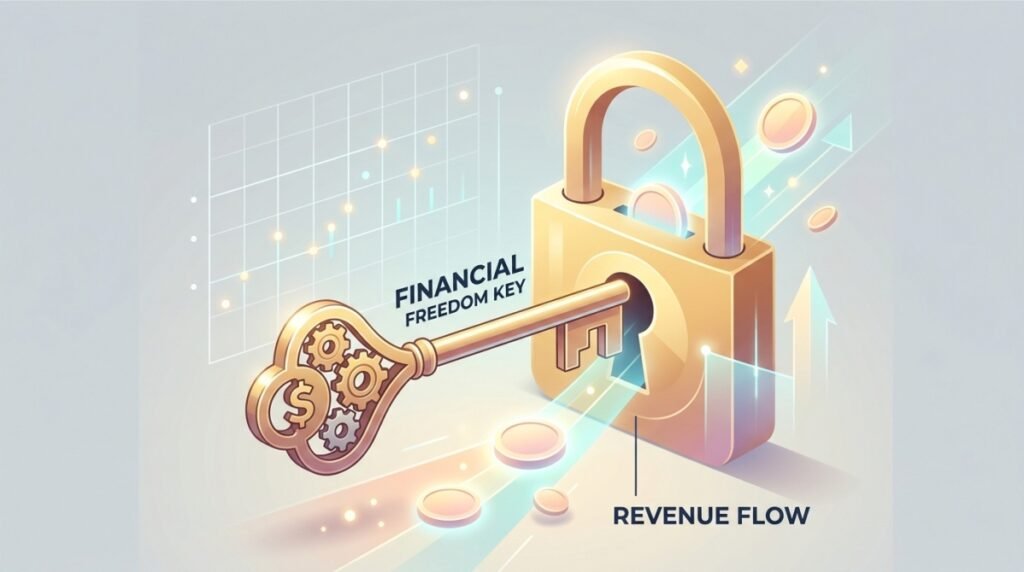
By using business credit lines for startups, you avoid giving away “equity” (ownership) of your company to investors. You keep 100% of your profits while using the bank’s money to scale your operations.
Summary: Tips for Success
- Don’t wait until you’re desperate: Apply for a line of credit when your business is doing well. Lenders are more likely to say “yes” when you don’t look like you’re in a crisis.
- Watch the fees: Some lenders charge “draw fees” every time you take money out. Read the fine print.
- Pay on time: This is the fastest way to build your business credit score, which will lead to lower interest rates in the future.
Building a startup is a marathon, not a sprint. Having the right business credit lines for startups in your back pocket ensures that even if you hit a bump in the road, you have the momentum to keep moving toward your financial independence
Disclaimer: befinanciallyfree.net/ provides educational content on wealth protection. This article is for informational purposes only and does not constitute legal, medical or financial advice. Always consult with a licensed professional regarding your specific situation.